
What Your Family Kept
Somebody kept it. Let’s tell their story.
Every family keeps something. A letter in a shoebox. A photograph in a drawer. A map, a journal, a Bible with names written inside the cover.
Most of it never made the textbooks. All of it was somebody’s life.
Bring it to us. We’ll handle it with care, find the real story behind it, and honor your family’s past and the lessons it still teaches.
Share what your family kept → See what families kept
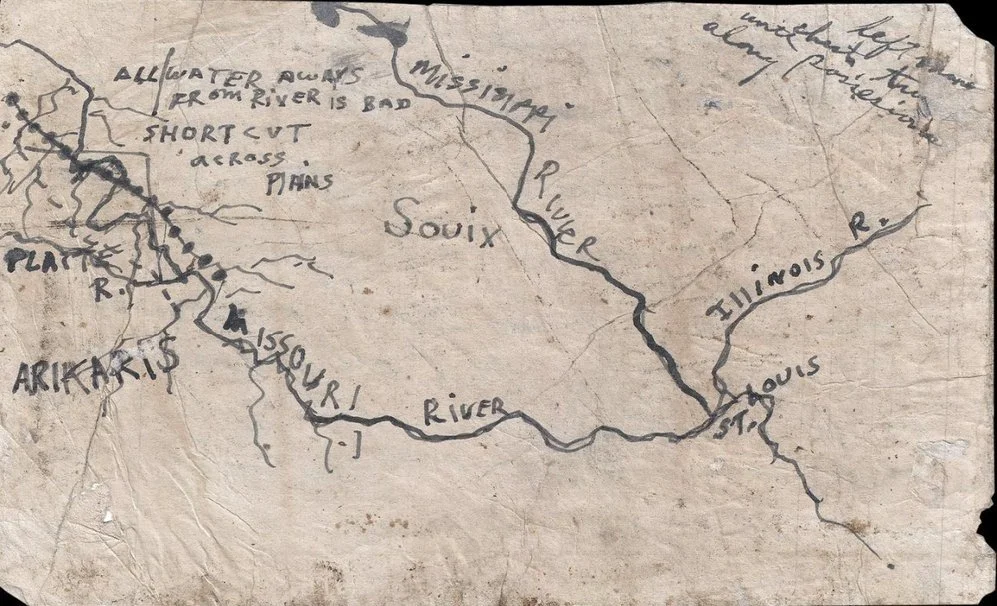
A Survival Map From the Oregon Trail
This is not a polished map made by a cartographer back East. This is a survival map.
Someone actually wrote:
“All water away from river is bad.”
“Short cut across plains.”
That is the Oregon Trail in two lines.
Stay near the river and keep access to water. Or cut across open country and save time, but risk everything.
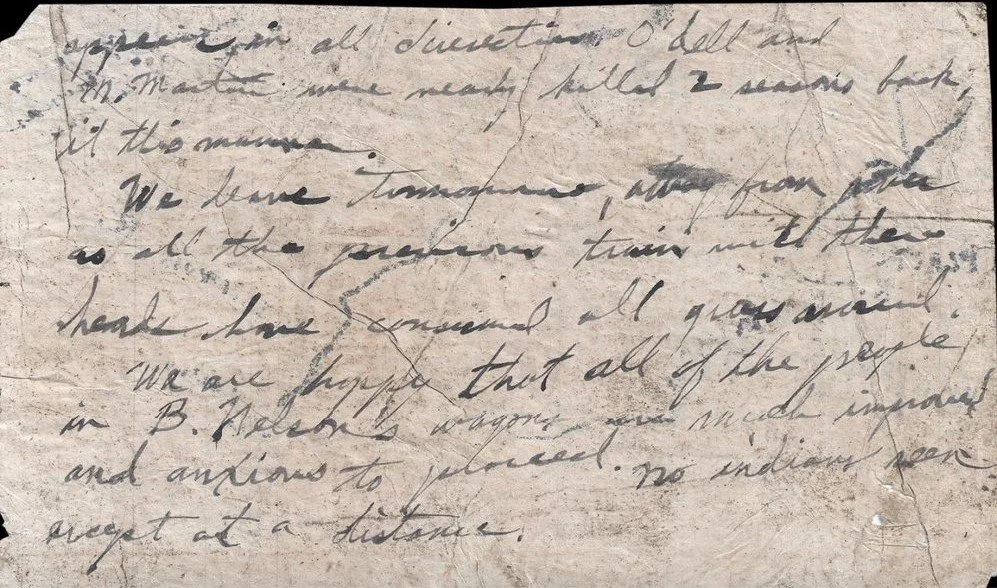
On the back, in faded ink:
“O’Dell and M. Martin were nearly killed 2 seasons back… We are happy that all of the people in B. Nelson’s wagons are much improved and anxious to proceed. No Indians seen except at a distance.”
Imagine being responsible for your family with this in your hand.
From our post on X · @makehistorycool
Someone carried it west. Someone else kept it. That is the only reason we can read it today.
Every Family Kept Something
Letters.
Photographs.
Journals.
Maps.
Family Bibles.
Discharge papers.
Recipe cards.
Heirlooms.
Much of what we know about ordinary Americans survived for one reason. Somebody didn’t throw it away.
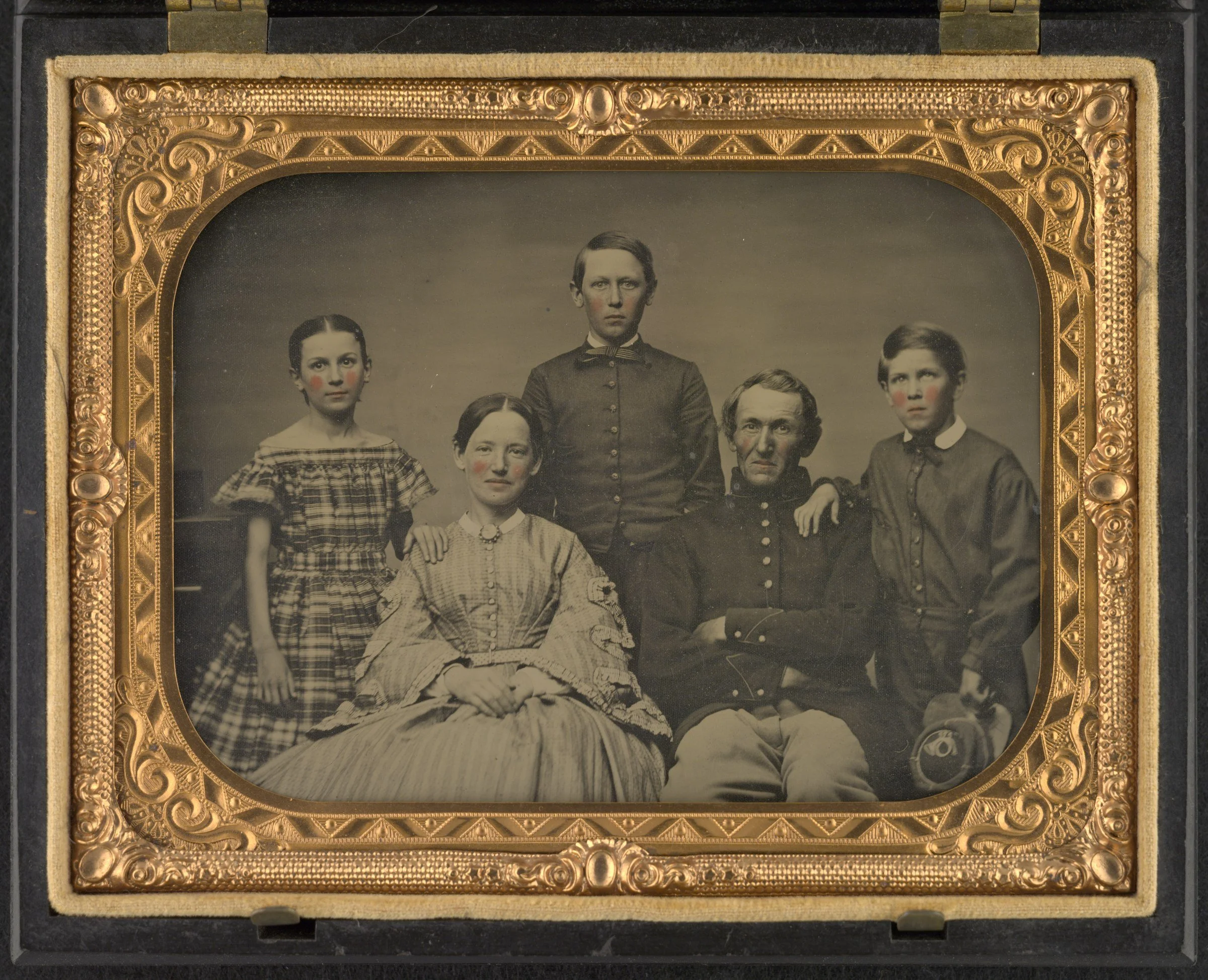
A widow kept the letters. A grandson kept the diary. A daughter kept the photograph in its little leather case and handed it down.
Many of the papers and photographs in this country’s great archives sat in a family’s drawer first.
The record didn’t always write their names down.
Your family did.
Kept, Then Saved
Archival examples · Not member submissions
Three things American families held on to, and where they live now.
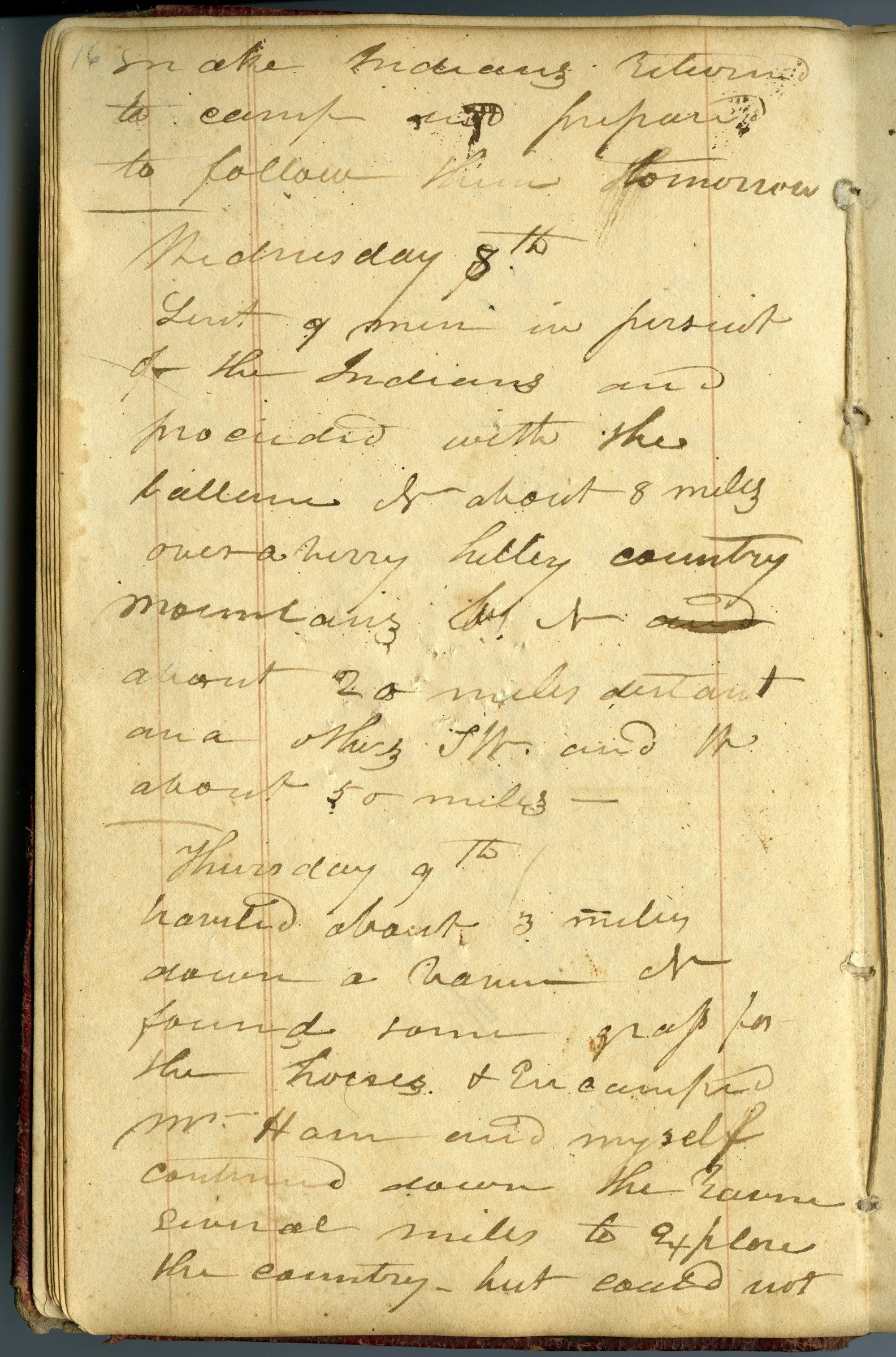
A Fur Trader’s Pocket Diary
Rocky Mountains, June 8, 1825.
“Sent 9 men in persuit [sic] of the Indians…” William H. Ashley wrote it in his own hand, on the expedition that helped open the mountain man era.
Who kept it: His grand-niece, Mrs. Ben F. Gray, gave his diaries to the Missouri Historical Society in 1908.
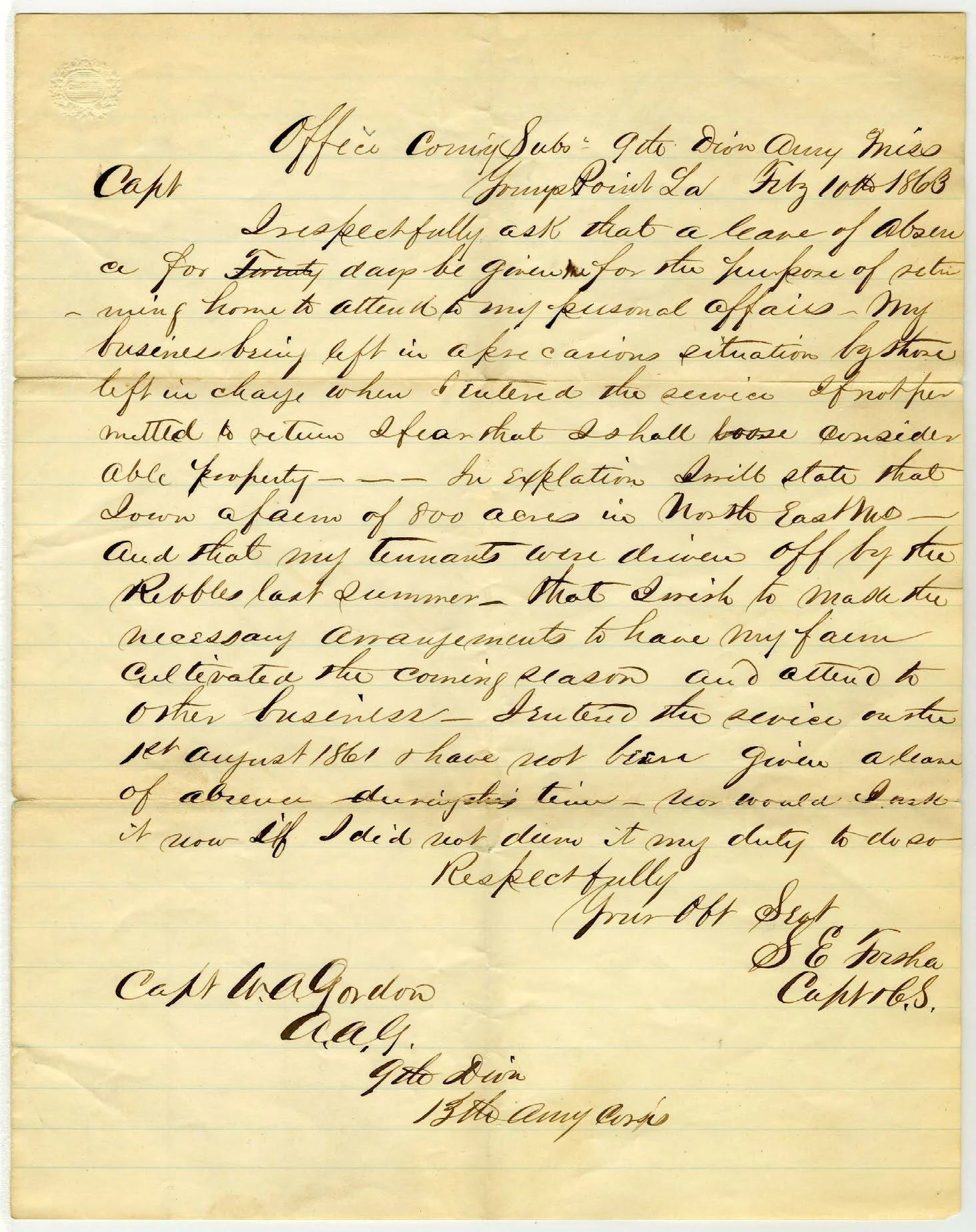
Forty Days to Save the Farm
Young’s Point, Louisiana, February 1863.
Capt. Stiles E. Forsha had not taken a day of leave since August 1861. Rebel forces had driven the tenants off his Missouri farm. He asked for forty days: “I would not ask it now if I did not deem it my duty to do so.”
Who kept it: It survived in the papers of Frank A. Irvin, a lieutenant from Forsha’s old regiment, the 7th Iowa Infantry.
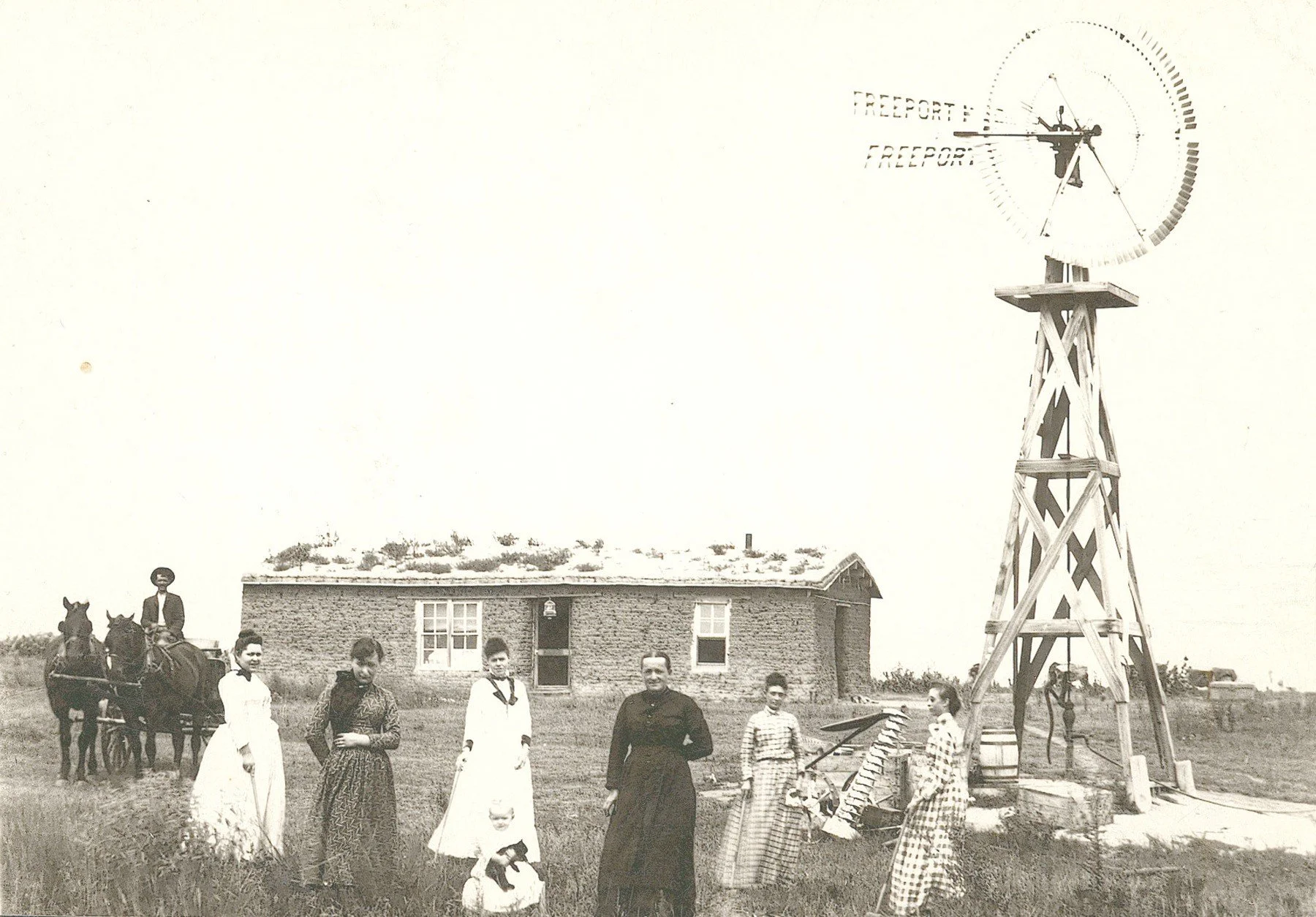
A Home Built From the Ground
Decatur County, Kansas, 1880s.
Six women and a small child in front of a sod house near Norcatur, grass growing from the roof, a wagon waiting and a windmill pulling water from the ground. The record never took down their names.
Know them? If this is your family, we would like to hear from you.
How It Works
You send it
Tell us your name, what it is, where it’s from and one sentence about why it matters to you.
We write back
A real person at Chronicles of History reads every one and writes back to ask for a scan or a clear phone photo, and the rest of the story.
It becomes an episode
Only with your permission. We dig into the record, tell the story and credit your family by name. The best ones go out to the Chronicles community in our monthly email.
How to Keep It Safe
It lasted this long. Here is how to make sure it lasts for the next generation.
Photograph both sides. The note on the back is often the best part of the story.
Write down what you know. Who, where, when and how it came down to you. Use a separate sheet, never the item itself.
Leave it as you found it. No tape, no glue, no laminating. Don’t pull an old photograph out of its frame or case.
Keep it cool, dry and dark. Not the attic. Not the basement. A closet shelf in the house is better than both.
Handle it with clean, dry hands. Hold photographs by the edges.
General care guidance, in line with the Library of Congress and National Archives advice on family papers and photographs.
Share What Your Family Kept
It doesn’t have to be famous. It doesn’t have to be old. It only has to matter to someone.
Start with a sentence. We’ll take it from there.
Not sure who is in it, or when? Tell us what you know. “Grandma’s side, somewhere in Kansas” is a fine place to start. Finding out is part of the work.
You’ll hear back from a real person. We read every submission ourselves and reply by email. We never sell your information.
The Chronicles of History Mission
“We tell the real story of the people who built America — the grit, the sacrifice and the hard truths — so it’s never forgotten, and so it still teaches us how to live.”
The Chronicles Community
Pull up a seat.
Once a month: real, authentic stories from American history, and one lesson in leadership, discipleship, and heritage you can live out now. Learn from the people who blazed the trail before us, and understand who we are as Americans. The Chronicles community goes behind the history. It’s a community for leaders, learners, and everyday people who want more from their lives.
Join the community →Real photographs. No AI fakes. Never sold. Leave anytime.
History, AI & Authenticity
This Is Not an AI-Generated History Brand
Every historical photograph we publish is authentic. We do not use AI to recreate historical photographs, render people into old images, or alter what existed in the original.
Read our AI policy →