

James Butler Bonham: The Fearless Courier Who Rode into Legend at the Battle of the Alamo
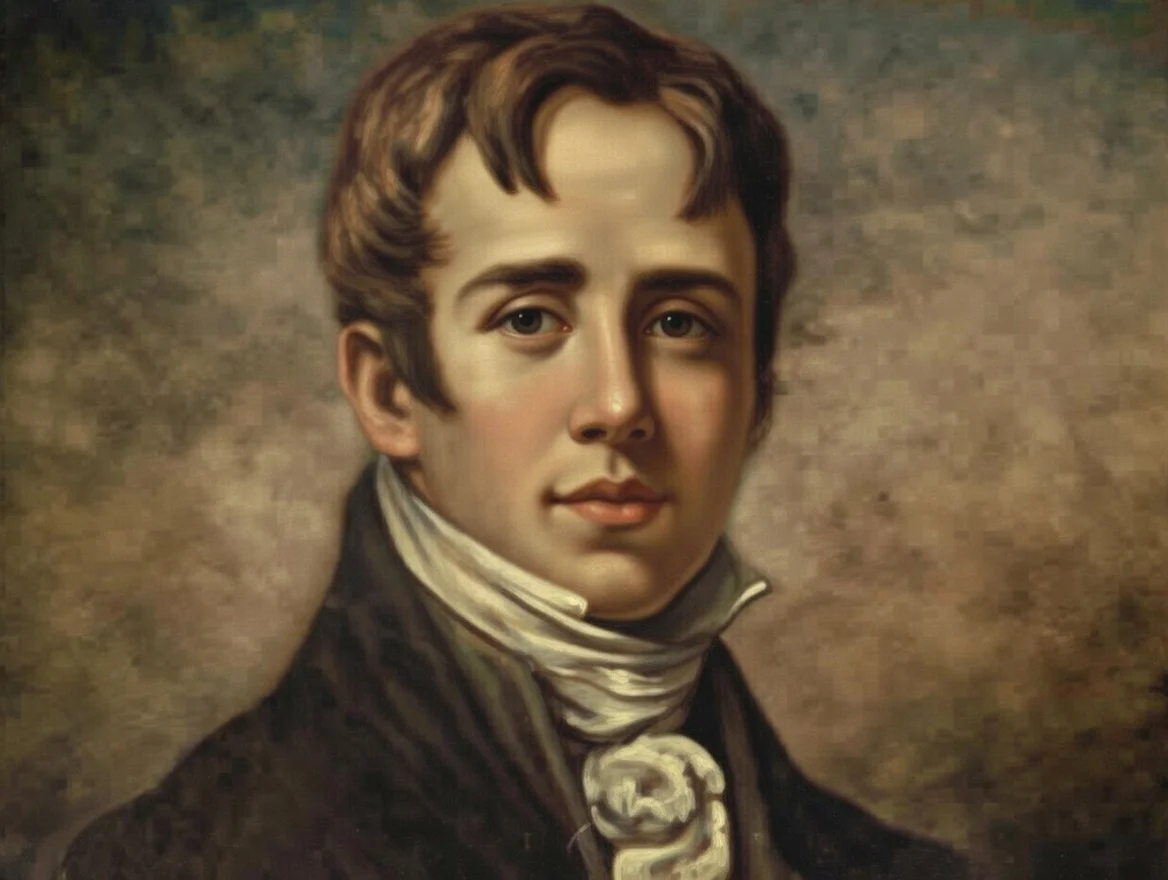
In the chaos and evolution of American history, few figures embody the spirit of sacrifice and bravery quite like James Butler Bonham. As a key player in the Texas Revolution and the iconic Battle of the Alamo, Bonham's daring rides as a courier turned him into a symbol of unwavering loyalty. But who was James Butler Bonham, and why does his story still resonate today? This deep dive explores his life, his heroic actions during the Alamo siege, and his lasting impact on Texas history. If you're searching for inspiring tales of American heroes or details on the Texas Independence movement, you've come to the right place.
Early Life of James Butler Bonham: From South Carolina Rebel to Texas Patriot
Born on February 20, 1807, in Red Banks (now Saluda), Edgefield County, South Carolina, James Butler Bonham grew up in a world of Southern aristocracy and emerging American nationalism. He was no ordinary young man—Bonham was a second cousin to William Barret Travis, the legendary commander of the Alamo, which would later forge an unbreakable bond between them.
Bonham's early years were marked by a fiery temperament. Enrolled at South Carolina College (now the University of South Carolina), he led a student rebellion against poor food quality and strict attendance rules during inclement weather. This act of defiance got him expelled in his senior year, showcasing the rebellious streak that would define his later exploits. Undeterred, Bonham pursued law, practicing in Pendleton, South Carolina. His courtroom antics were equally bold—he once caned an opposing lawyer and even threatened a judge, landing him in hot water with a contempt charge.
But Bonham's true calling lay beyond the courtroom. Inspired by the winds of revolution sweeping through the Americas, he volunteered for military service. By late 1835, the call of Texas independence drew him westward. Arriving in Texas without seeking pay or rank, Bonham offered his services as a volunteer, quickly earning a commission as a second lieutenant in the cavalry. His path soon intersected with James Bowie and his cousin Travis at the Alamo, setting the stage for one of history's most dramatic sieges.
For more on the roots of the Texas Revolution, check out our article on The Causes of the Texas War for Independence.
James Butler Bonham's Role in the Alamo Siege: The Courier Who Defied Mexican Lines
The Battle of the Alamo (February 23–March 6, 1836) was a pivotal moment in the Texas Revolution, where a small band of Texian defenders held off Mexican General Antonio López de Santa Anna's forces for 13 grueling days. Amid the cannon fire and dwindling supplies, James Butler Bonham emerged as a vital lifeline—a courier whose rides could mean the difference between hope and despair.
Bonham's missions began in mid-February, just before the siege tightened its grip. Dispatched by Travis and Bowie, he rode to Goliad to urge Colonel James Fannin to march his 420 men to San Antonio. Fannin hesitated, citing logistical issues, leaving Bonham to press on. He linked up with Colonel Robert M. "Three-Legged Willie" Williamson, who was rallying volunteers outside the siege lines.
The climax came on March 3, 1836—Day 10 of the siege. With Mexican reinforcements swelling Santa Anna's army to over 2,000, Bonham made his legendary return. Galloping through enemy lines under heavy fire, he evaded sentries and burst into the Alamo with a letter from Williamson. The message promised aid: 60 men from Gonzales (though 32 had already arrived on March 1), Fannin's force with artillery, and potentially hundreds more. The defenders fired celebratory shots, their morale briefly soaring.
This wasn't Bonham's first brush with danger, but it was his most iconic. Knowing the odds, he chose to stay and fight rather than escape. As the siege intensified, Bonham manned cannons and prepared for the inevitable assault. On March 6, 1836, during the pre-dawn attack, he fell defending the Alamo chapel, likely bayoneted in hand-to-hand combat at age 29.
Bonham's journeys weren't just logistical—they were acts of profound courage. In an era without modern communication, couriers like him were the threads holding the fragile Texian resistance together. For a timeline of the full Alamo siege, read our detailed guide Day-by-Day Breakdown of the Battle of the Alamo.
Why James Butler Bonham Matters: Legacy of Sacrifice in Texas History
So, why is James Butler Bonham important? His story transcends a single battle; it encapsulates the themes of duty, kinship, and defiance that fueled Texas independence. Here's why his legacy endures:
Symbol of Heroic Sacrifice: Bonham could have fled after delivering his message, but he stayed, embodying the "victory or death" ethos of the Alamo. His actions inspired the famous rallying cry "Remember the Alamo!" at the Battle of San Jacinto, where Texians avenged the fallen and secured independence.
Connection to Key Figures: As Travis's cousin, Bonham's personal ties added emotional depth to the Alamo narrative. His dispatches highlighted the frustrations of delayed reinforcements, shedding light on the internal challenges of the Texian army.
Cultural Impact: Bonham's bravery immortalized him in folklore, books, and films. The town of Bonham, Texas (county seat of Fannin County), was named in his honor in 1843. He's remembered alongside icons like Davy Crockett and Jim Bowie as one of the Alamo's "Immortal Defenders."
Lessons for Today: In a world of instant communication, Bonham's rides remind us of the human cost of revolution. His story teaches resilience and loyalty, resonating with anyone studying American frontier history or military heroes.
Bonham's importance lies in how his individual valor contributed to a larger victory. Without couriers like him, the Alamo might have fallen sooner, altering the course of the Texas Revolution. For related stories, explore Unsung Heroes of the Texas Revolution.
The Enduring Mystery and Myths Surrounding Bonham's Final Ride
Like many Alamo heroes, Bonham's tale is laced with legend. Did he really declare, "I will report the result of my mission to Travis or die in the attempt"? Accounts vary, but survivors like Susanna Dickinson (a non-combatant who lived through the battle) corroborated his dramatic entry. Historians debate details, but the core truth remains: Bonham's March 3 return was a beacon of hope amid encroaching doom.
Modern retellings in movies like The Alamo (2004) often dramatize his exploits, blending fact with flair. Yet, primary sources from the Texas State Historical Association and Alamo records paint a picture of a man driven by honor, not Hollywood heroism.
Conclusion: Remembering James Butler Bonham in the Chronicles of History
James Butler Bonham wasn't just a courier—he was the heartbeat of the Alamo's desperate stand. From his rebellious youth in South Carolina to his fatal charge in Texas, Bonham's life was a testament to the power of conviction. His importance in the Battle of the Alamo and Texas Revolution lies in how one man's rides fueled a movement that birthed a republic and shaped the American Southwest.
At ChroniclesofHistory.com, we celebrate figures like Bonham who turned the tide of history. If this story ignited your interest in Texas heroes or the Alamo siege, dive deeper with our archives. Share your thoughts in the comments: Who’s your favorite Alamo defender, and why?